
Introduction
Vitamin D — often called the “sunshine vitamin” — is one of the most essential yet most overlooked nutrients in the human body. It supports bone strength, immune defense, muscle function, and even mental health. Despite its critical role, over one billion people worldwide are estimated to have insufficient vitamin D levels. The most alarming part? The majority of them have no idea. Symptoms of vitamin D deficiency tend to be subtle at first, easily mistaken for everyday tiredness or stress. This guide breaks down the most commonly ignored warning signs, explains what causes deficiency, and shows you practical, natural ways to restore your levels before problems become serious.
What Is Vitamin D and Why Does Your Body Need It?
Vitamin D is a fat-soluble vitamin that functions more like a hormone than a traditional nutrient. When your skin is exposed to ultraviolet B (UVB) rays from sunlight, it triggers the production of vitamin D3, which is then converted by the liver and kidneys into its active form. This active form helps regulate dozens of biological processes throughout the body.
Key Functions of Vitamin D
- Bone and teeth health: Vitamin D enables the intestines to absorb calcium and phosphorus, the two minerals most critical for bone density and tooth strength.
- Immune system support: It activates T-cells and other immune cells that identify and destroy pathogens.
- Muscle function: Muscles contain vitamin D receptors, and adequate levels are needed for proper contraction and strength.
- Mood and mental health: Vitamin D receptors are found in the brain regions that regulate mood, making it important for emotional well-being.
- Chronic disease prevention: Research links healthy vitamin D levels to a reduced risk of type 2 diabetes, cardiovascular disease, and certain cancers.
When vitamin D levels drop below optimal, nearly every system in your body can be affected — often in ways that are easy to dismiss or misattribute.
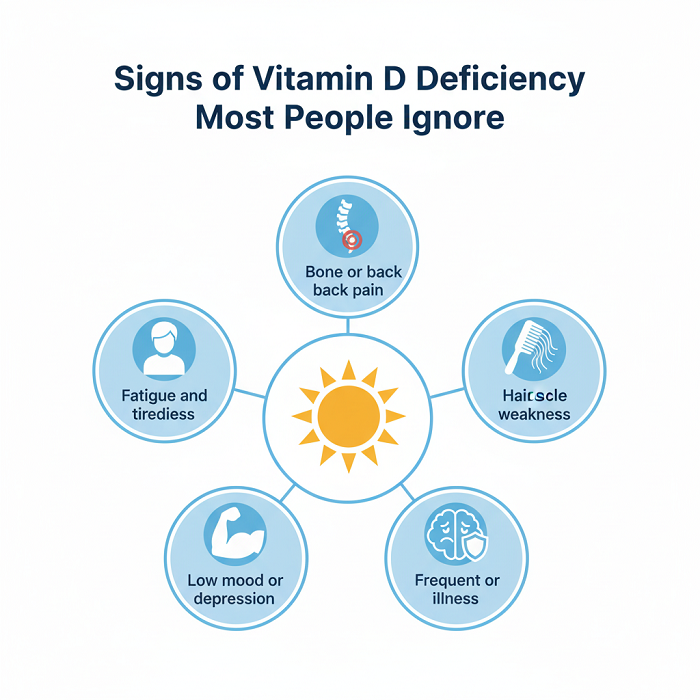
8 Common Signs of Vitamin D Deficiency Most People Ignore
1. Constant Fatigue and Low Energy
Feeling persistently tired even after a full night of sleep is one of the most frequently overlooked symptoms of vitamin D deficiency. While fatigue has many potential causes, low vitamin D is a significant and underdiagnosed contributor. Vitamin D plays a direct role in mitochondrial function — the process by which your cells convert nutrients into usable energy. When levels are insufficient, this process becomes less efficient, leaving you feeling drained throughout the day regardless of how much rest you get. If you find yourself reaching for coffee constantly or feeling exhausted without a clear reason, especially during winter months when sunlight is scarce, it is worth having your vitamin D levels tested.
2. Bone Pain and Chronic Back Pain
Vitamin D is essential for calcium absorption. Without enough of it, bones gradually lose density, becoming softer and more susceptible to pain and fractures. Many people experience a persistent dull ache in their bones, joints, or lower back that they attribute to aging or posture. However, studies have found a strong correlation between low vitamin D levels and chronic musculoskeletal pain. One large-scale study published in the journal Pain Physician found that patients with chronic lower back pain were significantly more likely to be vitamin D deficient compared to those without pain. If pain relievers and physiotherapy are not providing lasting relief, deficiency may be an underlying cause worth investigating.
3. Frequent Illness and Weakened Immunity
If you seem to catch every cold, flu, or respiratory infection that goes around, your immune system may be compromised — and vitamin D deficiency could be playing a central role. Vitamin D stimulates the production of antimicrobial proteins and helps regulate the inflammatory response. Without adequate levels, immune cells are slower to respond and less effective at neutralizing threats. Research has shown that children with vitamin D deficiency are significantly more prone to respiratory infections, and adults with low levels tend to have longer recovery times from illness.
4. Mood Changes, Anxiety, and Depression
The connection between vitamin D and mental health is well-documented. Vitamin D receptors are concentrated in areas of the brain associated with mood, motivation, and emotional regulation. Deficiency has been linked to increased rates of depression, anxiety, and seasonal affective disorder (SAD) — a condition that worsens during the darker winter months when sunlight exposure drops dramatically. If you notice mood swings, persistent low mood, or heightened anxiety without a clear trigger, vitamin D levels are worth examining. Even spending just 15 to 20 minutes in morning sunlight can help stimulate natural production and improve your overall sense of well-being.
5. Slow Wound Healing
If minor cuts, bruises, or post-surgical wounds seem to take unusually long to heal, your body may be lacking sufficient vitamin D. This vitamin plays a role in stimulating the production of compounds that form new skin, and it helps control inflammation during the healing process. Studies have found that patients recovering from surgery or injury heal significantly faster when their vitamin D levels are in the optimal range. Slow healing is often dismissed as a normal variation, but it can be an important indicator of underlying nutritional deficiency.
6. Hair Loss or Thinning Hair
Hair loss is commonly attributed to genetics or stress, but vitamin D deficiency is another significant and frequently overlooked cause. Vitamin D plays an active role in the hair follicle cycle — specifically in stimulating new follicle growth. Low levels have been associated with telogen effluvium, a condition where hair shifts into the resting phase prematurely, leading to noticeable thinning. In more severe cases, deficiency has been linked to alopecia areata, an autoimmune condition that causes patchy hair loss. If you are experiencing increased hair shedding without an obvious explanation, nutritional testing, including vitamin D levels, is a sensible first step.
7. Muscle Weakness, Cramps, and Pain
Muscles rely on vitamin D to function properly. Receptors for the vitamin are found in muscle tissue, and low levels are directly associated with weakness, cramping, and generalized muscular discomfort. This is particularly concerning for older adults, in whom muscle weakness caused by deficiency can significantly increase the risk of falls and fractures. Even younger, physically active people can experience unexplained muscle soreness or reduced performance if their vitamin D levels are suboptimal. If you find that your muscles feel weak or achy without a clear exercise-related reason, deficiency could be the cause.
8. Excessive Head Sweating
One of the earliest and most unusual signs of vitamin D deficiency is excessive sweating from the head, even in cool or temperate conditions. While this symptom is not widely publicized, it has historically been recognized by clinicians as an early warning sign. It is often dismissed as a quirk or attributed to anxiety, but when paired with other symptoms on this list, it can be a meaningful clue worth investigating.
Common Causes of Vitamin D Deficiency
Vitamin D deficiency is surprisingly easy to develop, even in sunny climates. The following are the most common contributing factors:
- Limited sun exposure: Spending most of the day indoors, working night shifts, or living in northern latitudes significantly reduces UVB exposure.
- Excessive sunscreen use: SPF 30 sunscreen can block up to 95% of UVB radiation, limiting vitamin D synthesis even during outdoor activities.
- Darker skin tone: Higher levels of melanin reduce the skin’s ability to produce vitamin D from sunlight, requiring longer sun exposure to achieve the same effect.
- Poor diet: Vitamin D is found in relatively few foods. Diets low in fatty fish, egg yolks, and fortified dairy products often provide insufficient amounts.
- Obesity: Vitamin D is fat-soluble, meaning it gets stored in adipose tissue and becomes less bioavailable in the bloodstream in people with higher body fat.
- Digestive conditions: Conditions like Crohn’s disease, celiac disease, and irritable bowel syndrome can impair the absorption of fat-soluble vitamins, including vitamin D.
- Age: The skin’s ability to synthesize vitamin D declines significantly with age, making older adults particularly vulnerable to deficiency.
How to Increase Your Vitamin D Levels Naturally
Get Adequate Sunlight
The most natural and effective way to boost vitamin D is through direct sun exposure. Aim for 15 to 30 minutes of midday sunlight on exposed skin — arms, legs, or back — at least three to four times per week. Avoid peak UV hours if you are concerned about skin damage, and speak to a dermatologist if you have a history of skin cancer.
Eat Vitamin D-Rich Foods
Incorporate foods naturally high in vitamin D into your regular diet. The best dietary sources include:
- Fatty fish such as salmon, mackerel, and sardines
- Egg yolks
- Beef liver
- Fortified milk, orange juice, and cereals
- Certain varieties of mushrooms exposed to UV light
Consider Vitamin D3 Supplements
If sunlight and dietary changes are not sufficient — or if a blood test confirms deficiency — your doctor may recommend a vitamin D3 supplement. Vitamin D3 (cholecalciferol) is the most bioavailable form and is generally preferred over D2. Always have your levels tested before starting supplementation to determine the appropriate dosage, as excessive vitamin D can cause toxicity.
Maintain a Healthy Weight and Exercise Regularly
Regular physical activity, particularly weight-bearing exercise, helps improve bone density and may enhance the body’s ability to utilize vitamin D. Maintaining a healthy body weight also ensures vitamin D is not sequestered in excess fat tissue, keeping it more available in the bloodstream.
Frequently Asked Questions About Vitamin D Deficiency
How do I know if I am vitamin D deficient?
The only reliable way to confirm vitamin D deficiency is through a blood test that measures 25-hydroxyvitamin D levels. A result below 20 ng/mL is generally considered deficient, while levels between 20 and 29 ng/mL are considered insufficient. Optimal levels are typically considered to be between 30 and 60 ng/mL. If you are experiencing multiple symptoms listed in this article, speak to your doctor about getting tested. Many clinics include vitamin D testing as part of a standard blood panel or it can be requested specifically.
Can vitamin D deficiency be dangerous long-term?
Yes, if left untreated for an extended period, vitamin D deficiency can lead to serious health consequences. In children, severe deficiency causes rickets — a condition characterized by soft, weakened bones and skeletal deformities. In adults, chronic deficiency contributes to osteomalacia (softening of bones), osteoporosis, increased fracture risk, impaired immunity, cardiovascular disease, and a heightened risk of autoimmune disorders. Emerging research also suggests links between long-term deficiency and an increased risk of certain cancers, including colorectal and breast cancer.
How long does it take to recover from vitamin D deficiency?
Recovery time depends on the severity of the deficiency and the method of correction. With consistent supplementation at the dose recommended by your doctor, alongside improved sun exposure and dietary changes, most people begin to notice improvements in energy, mood, and muscle function within four to six weeks. It may take three to six months to fully restore blood levels to the optimal range, particularly in cases of severe deficiency. Follow-up blood testing is important to monitor progress and adjust dosage as needed.
Who is most at risk of developing vitamin D deficiency?
Certain groups are at significantly higher risk than the general population. These include older adults (whose skin produces vitamin D less efficiently), people with darker skin tones, individuals who spend most of their time indoors, those living in northern latitudes with limited winter sunlight, people who are obese, and individuals with digestive conditions that impair nutrient absorption. Breastfed infants are also at risk because breast milk alone does not provide sufficient vitamin D, which is why pediatricians often recommend supplementation from birth.
Can you get too much vitamin D?
Yes. While vitamin D deficiency is far more common, vitamin D toxicity — known as hypervitaminosis D — is possible, particularly from taking excessively high-dose supplements over a prolonged period. It cannot be caused by sun exposure alone, as the body regulates production naturally. Toxicity symptoms include nausea, vomiting, weakness, frequent urination, kidney problems, and in severe cases, hypercalcemia (dangerously elevated blood calcium). This is why it is important to test your levels before supplementing and follow your doctor’s dosage recommendations rather than self-prescribing high doses.
Conclusion
Vitamin D deficiency is one of the most widespread yet underdiagnosed nutritional problems in the world. Its symptoms — fatigue, bone pain, mood changes, frequent illness, and slow healing — are easy to dismiss or attribute to other causes, which is exactly why so many people go undiagnosed for years. The good news is that deficiency is entirely preventable and reversible with the right approach. By prioritizing regular sunlight exposure, eating vitamin D-rich foods, and consulting your doctor about supplementation if needed, you can protect your bones, your immune system, your mental health, and your long-term well-being. If your body has been sending you subtle warning signals, now is the time to listen.
