The Alarming Start of a Harsh Winter
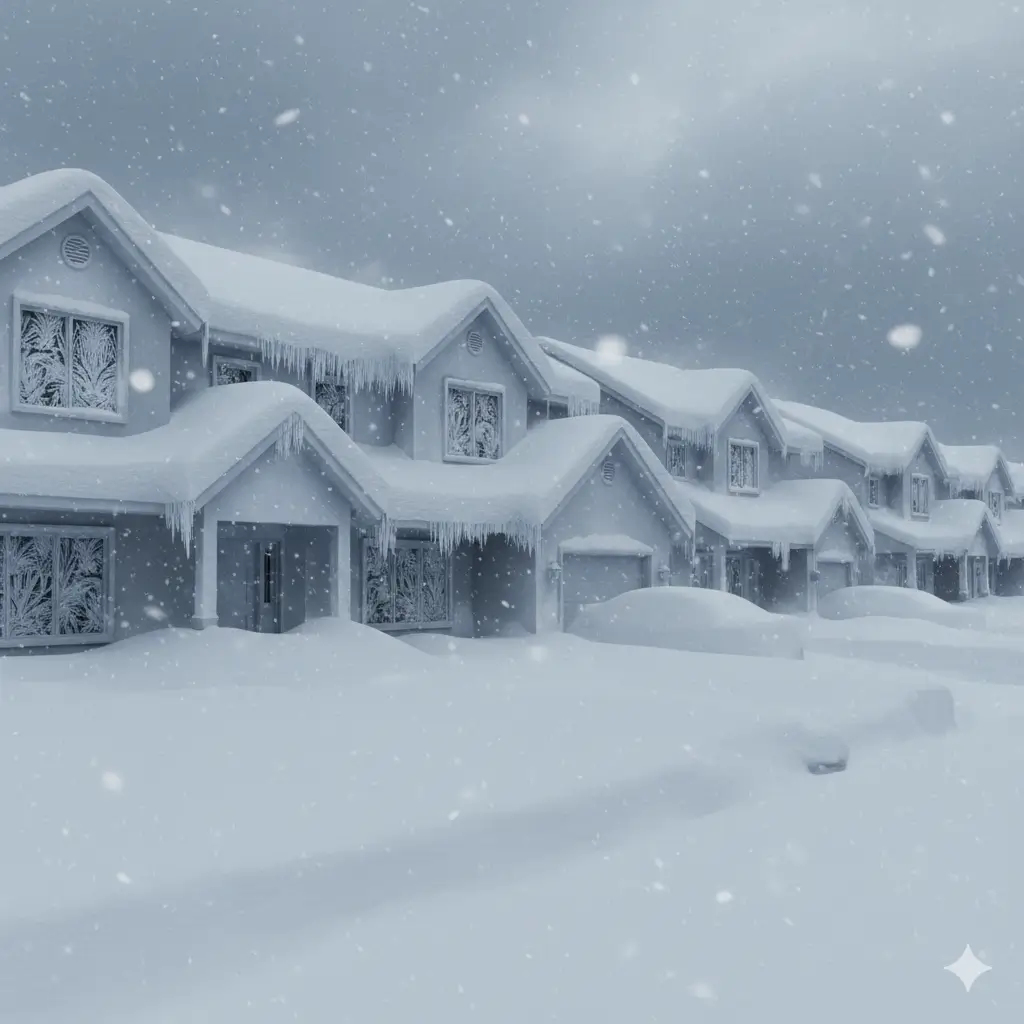
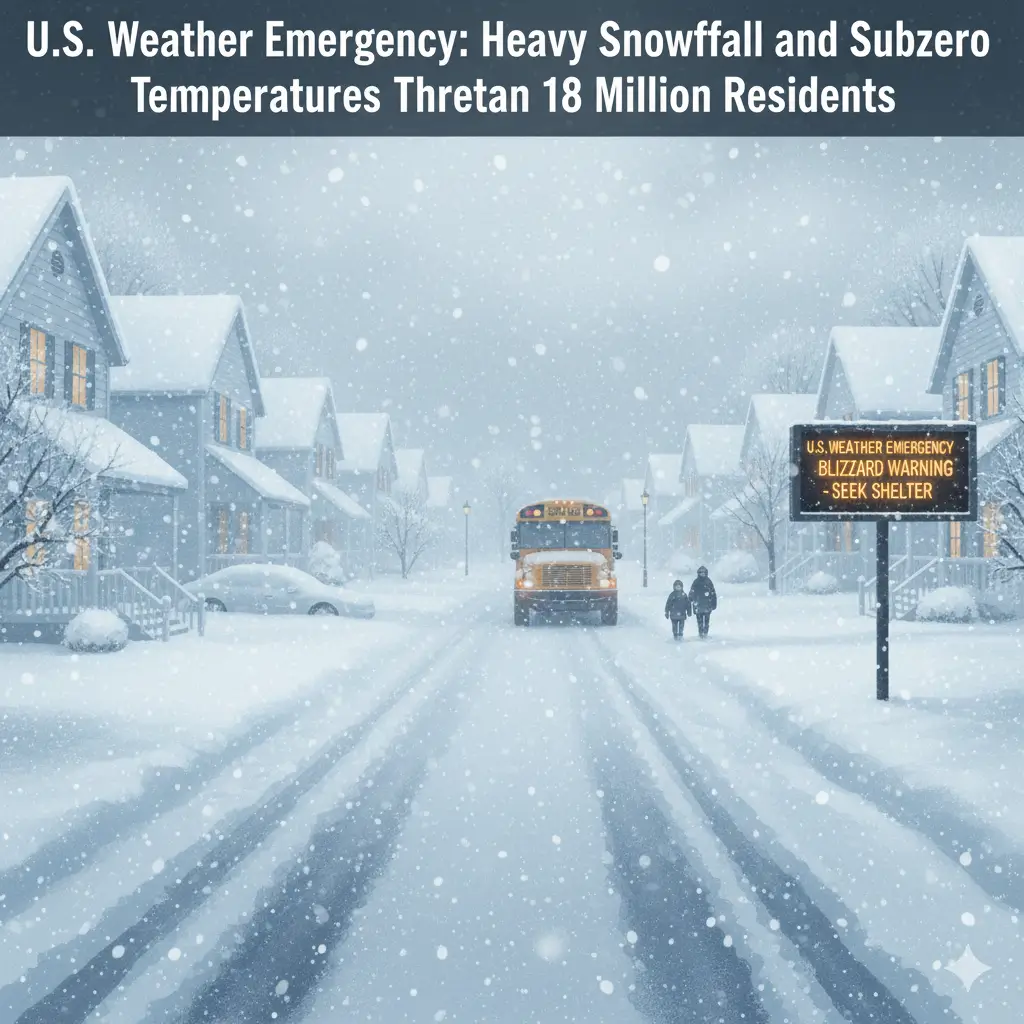
The U.S. weather emergency caused by heavy snowfall and subzero temperatures is becoming one of the most talked-about topics this week. Millions of people across the western and Midwestern states are waking up to roads buried under snow, power lines weighed down by ice, and temperatures so low that stepping outside feels like walking into a freezer. The focus keyword also fits perfectly here because this entire situation revolves around the U.S. Weather Emergency and how it is affecting 18 million residents. As the first major winter storm of the season grows stronger, people are trying to understand how dangerous it truly is and what precautions they must take to stay safe.
Why This Winter Storm Is Different
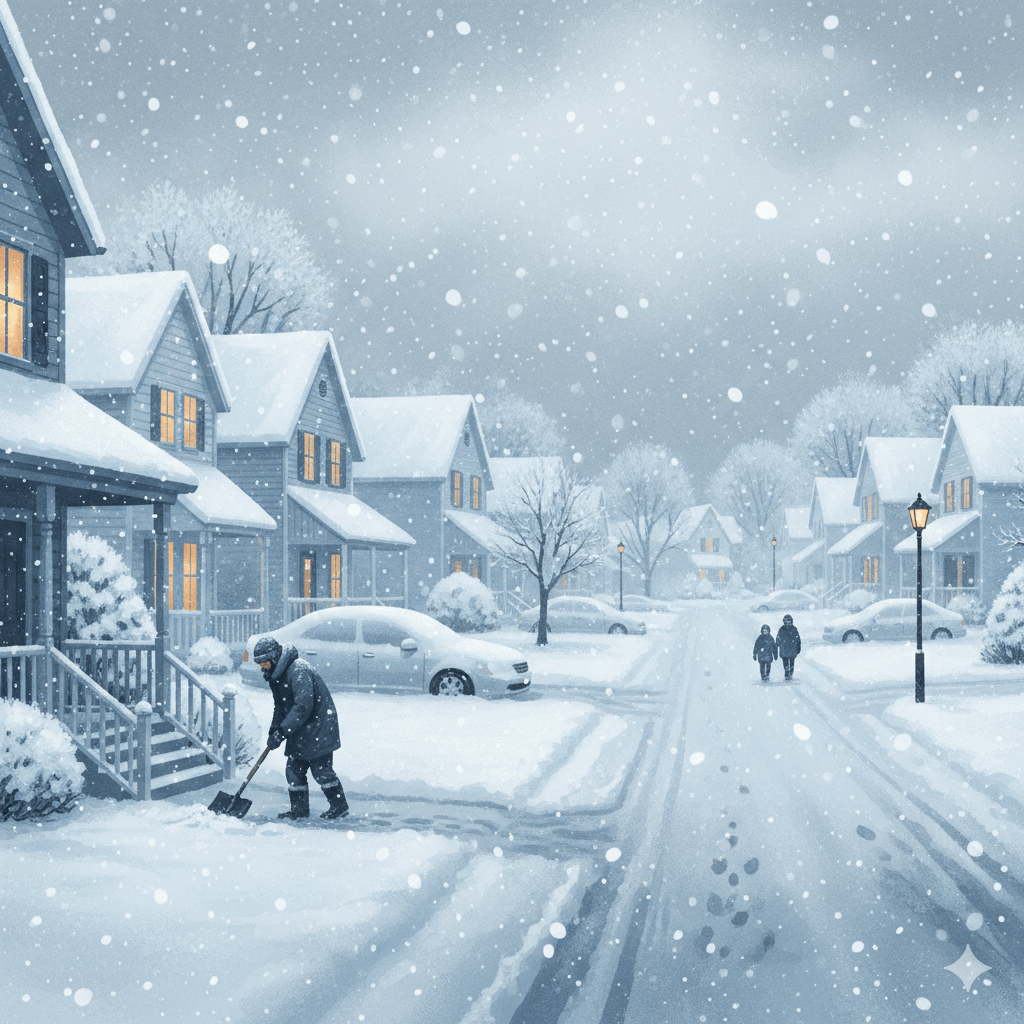
This is not just a normal winter cold wave. Weather experts from trusted sources such as the National Weather Service and updates on https://www.weather.gov are warning citizens that this storm carries unusual intensity. Subzero temperatures are dipping lower than expected, creating life-threatening conditions for anyone caught outside too long. Snowfall in certain regions has crossed the point where regular snowplows can manage easily, and emergency teams are urging families to prepare for long outages, closed highways, and delays in essential services.
There is something emotional about winter storms, especially for people who live in colder states. Some enjoy the beauty of falling snow, while others remember the struggles of past winters. Yet the U.S. Weather Emergency has brought a sense of seriousness, especially for people who still remember events like the 2021 Texas freeze. It reminds us that nature has its own timetable, and humans must adapt quickly when things escalate.
Real-Life Example: A Family Stranded During the Storm
One story making headlines involves a family in Minnesota who went out for what they thought would be a short grocery trip. Within an hour, heavy snowfall blocked major roads and their car got stuck. They waited for help as the temperature kept dropping below zero. The mother said later that the fear was not about the snow itself but the uncertainty of how fast the storm was strengthening. They were eventually rescued, but the experience left them shaken and more aware of how unpredictable winter emergencies can be.
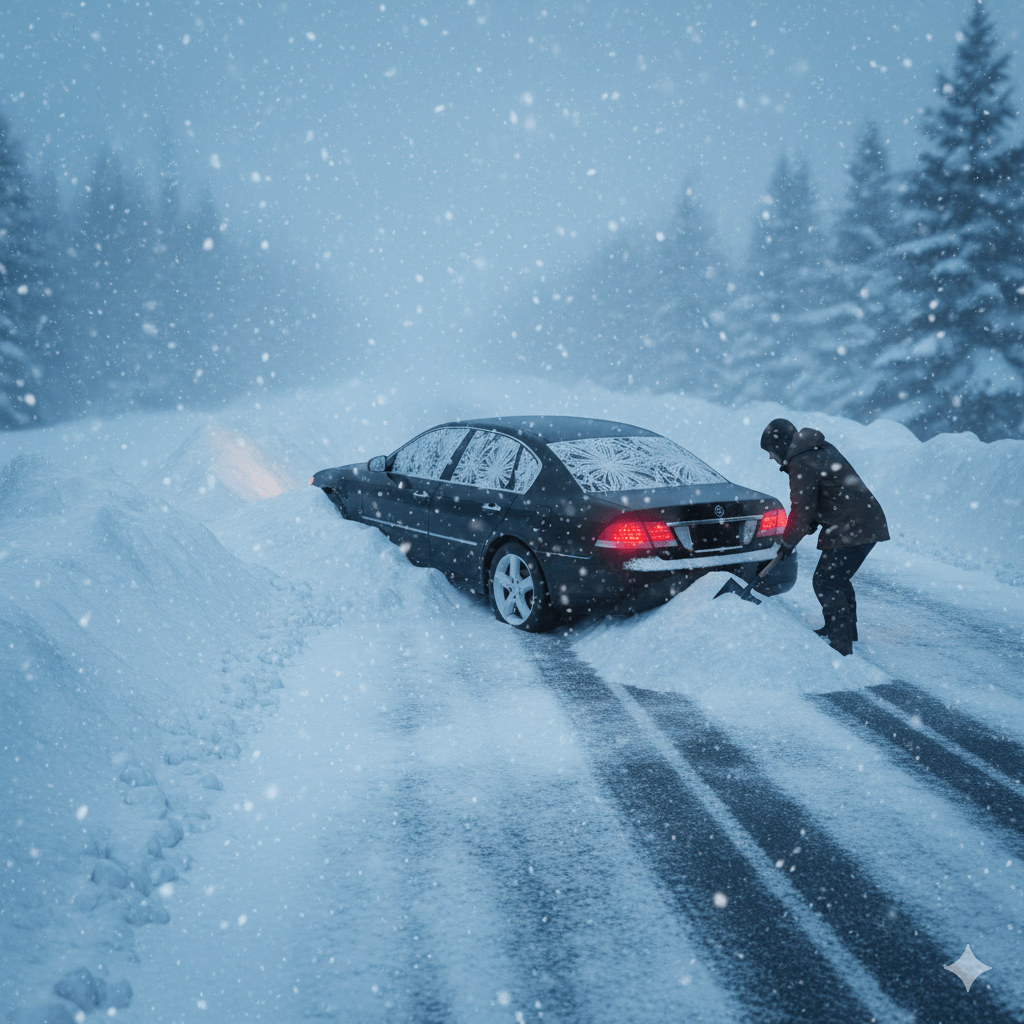
Their experience represents thousands of others facing similar risks. Even though technology and weather apps provide warnings, life sometimes moves too fast for people to react in time. That is why experts emphasize listening to alerts earlier rather than at the last minute.
How the Cold Is Impacting Daily Life
The storm has already caused flight cancellations, school closures, and delays in supply chains. Simple tasks like driving to work or even walking a few blocks have become risky. Hospitals are preparing for cases of frostbite and hypothermia, conditions caused by prolonged exposure to subzero temperatures. According to medical advice shared by the Mayo Clinic at https://www.mayoclinic.org/diseases-conditions/hypothermia, even minutes in extreme cold can harm the body.
People working outdoors, such as postal workers or delivery drivers, are among the most vulnerable. Some companies have temporarily paused operations, putting safety ahead of productivity. Meanwhile, families are stocking up on essentials, from blankets to canned food, knowing that power outages often follow such harsh weather.
The Emotional And Practical Impact On Residents
There’s a real emotional toll when a community faces something like the U.S. Weather Emergency. Parents worry about keeping their children warm. Older adults fear slipping on icy roads or losing heating during the night. Business owners wonder how long closures will last and what it means for their income. Even students who love snow days admit that after a point, the fun disappears and the stress begins.
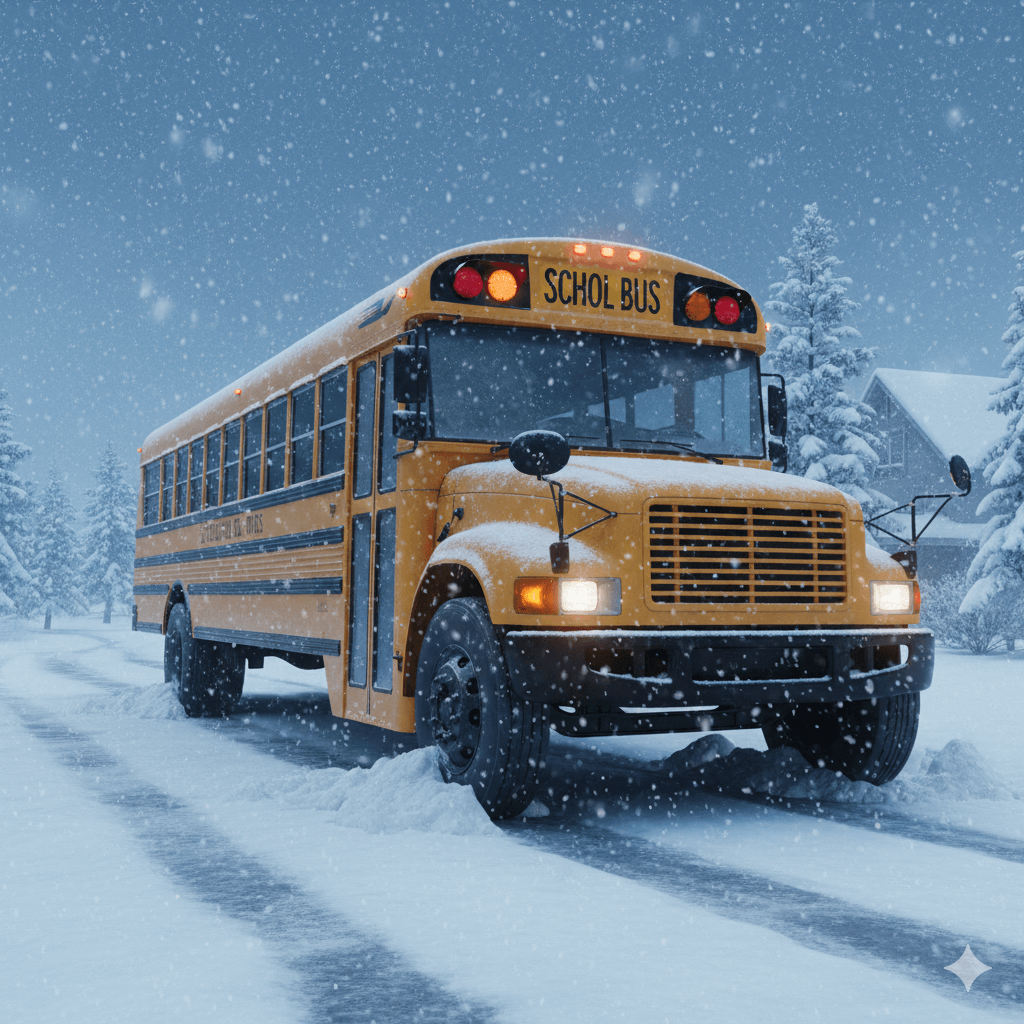
A second real-life example comes from a school bus driver in North Dakota who shared that he had to stop mid-route because visibility dropped so suddenly he couldn’t see more than a few feet ahead. He kept the children calm while waiting for backup, reminding them that storms can be scary, but being prepared makes all the difference. His calm approach kept everyone safe until authorities cleared the way.
How Authorities Are Responding
Local governments have activated emergency operations. Shelters for people without reliable heating have opened in multiple cities. Snowplows are working around the clock, although in some places the snow falls so quickly that cleared roads get covered again within minutes. Weather reports suggest that the cold will persist for several days, making the response efforts even more challenging.
Officials are urging residents to avoid unnecessary travel and to check on neighbors, especially elderly community members. This simple act of kindness can prevent tragedies during a harsh winter. It also shows that even in difficult times, humanity often shines.
Safety Tips That Residents Are Following
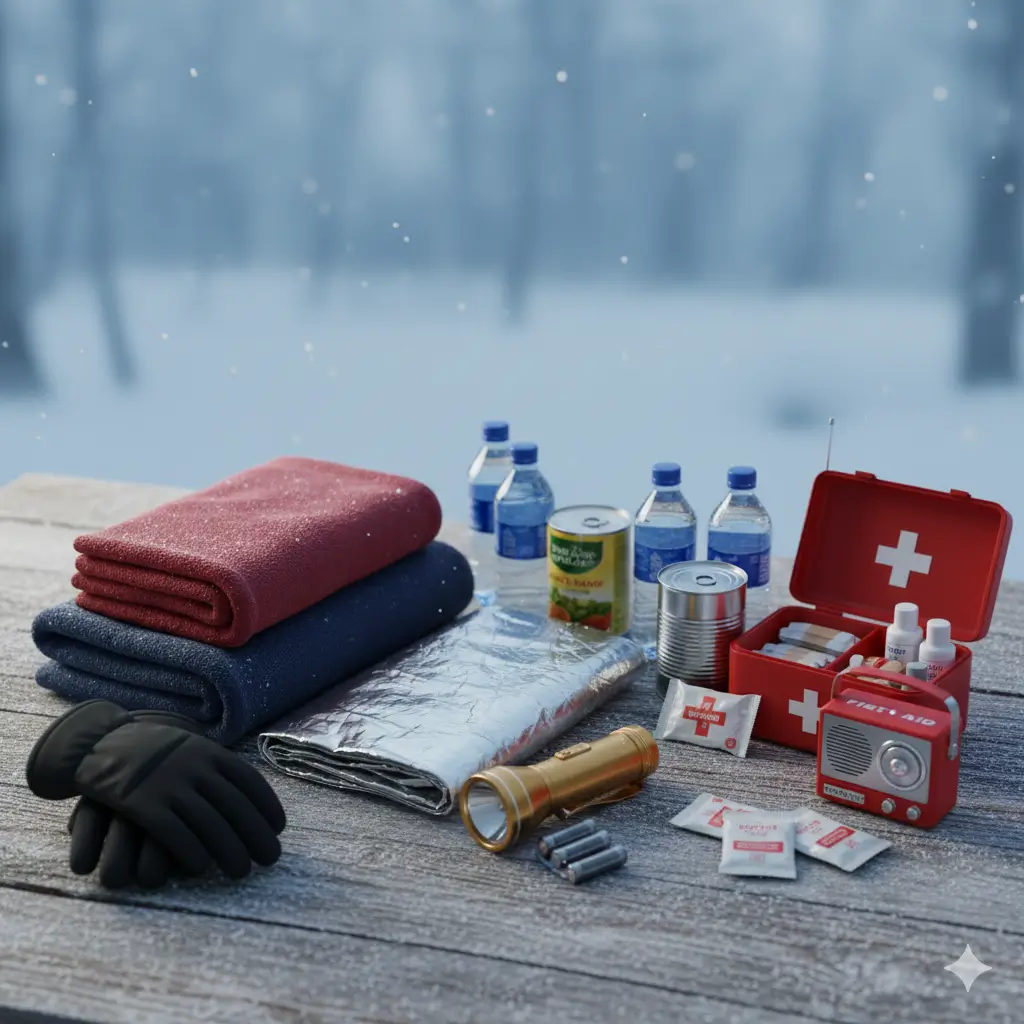
Experts recommend staying indoors as much as possible, keeping phones fully charged, layering clothing, and preparing emergency kits. Many families are also using portable heaters but are being reminded to avoid any that produce dangerous fumes indoors. Fire departments warn every winter that carbon monoxide incidents rise during storms due to misused heating devices.
People living in rural areas are paying special attention to livestock and outdoor animals, making sure they have shelter and unfrozen water. Farmers know that animals feel the cold just as humans do, and protecting them becomes part of the daily struggle in a winter emergency.
What This Means For The Coming Weeks
The U.S. Weather Emergency could be a sign that this winter will be harsher than usual. Meteorologists say patterns in the atmosphere show colder air settling in many states. Residents may face more storms, more travel delays, and more days where staying home is the safest option. Still, communities across the country have shown resilience before, and they will again. People share resources, check on each other, and adapt as needed.
Some experts suggest reading official updates from the National Oceanic and Atmospheric Administration at https://www.noaa.gov for reliable guidance. These dofollow links help readers get accurate, science-based information while ensuring safety remains the top priority.
Final Thoughts
The U.S. Weather Emergency with heavy snowfall and subzero temperatures threatening 18 million residents is more than just a headline. It is a reminder of how quickly life can change and how important preparedness is. The storm doesn’t care about schedules, plans, or routines. It forces people to slow down, adapt, and protect each other. In moments like these, communities remember their strength, and individuals discover their resilience.
If this winter continues with storms of this intensity, Americans will likely face more challenges. But they will also face them together, using information, caution, and compassion as their tools.